
Peru: Where history, nature, and everyday life still hold depth
Peru is far more than a travel destination. It is a land where mountains, ancestral cultures, and extraordinary biodiversity continue to shape daily life. Few countries in the world preserve such a strong connection between landscape, memory, and cultural identity.
From colonial cities to remote Andean communities, from the Pacific coast to the Amazon rainforest, Peru offers experiences that go beyond iconic photographs. Traveling here means discovering how ancient traditions remain alive in local markets, textiles, native languages, and the relationship people maintain with the land.
For many travelers, that authenticity becomes one of the most memorable aspects of visiting South America.
The Andes: the cultural heart of Peru
The Andes Mountains cross Peru like a living backbone connecting landscapes, cultures, and ancient worldviews. These highlands gave rise to some of the most advanced engineering, agricultural, and social systems in pre-Columbian America.
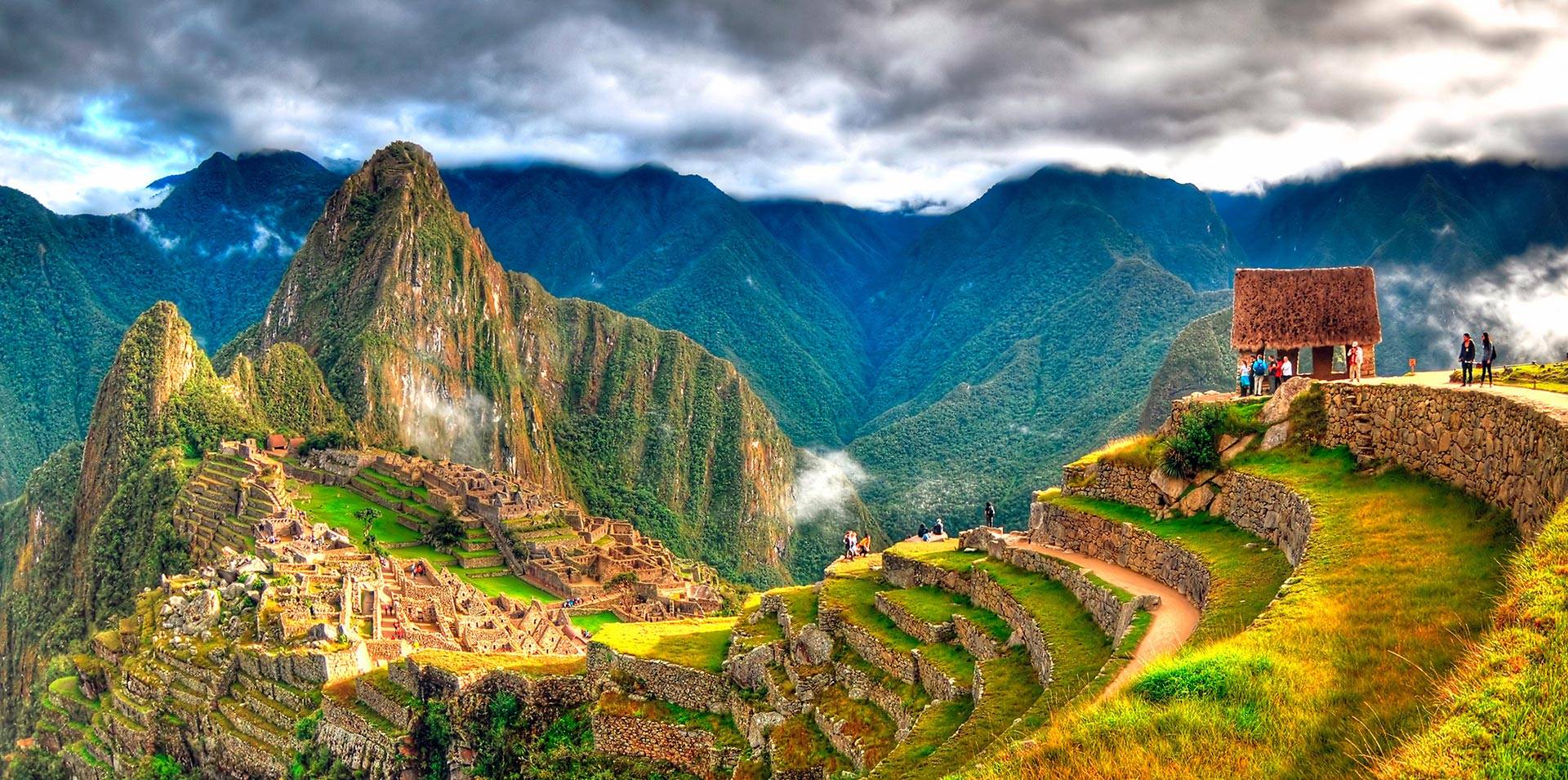
The Inca civilization built cities, roads, and ceremonial centers perfectly adapted to the surrounding geography, developing a vision where harmony with nature played a central role.
Today, much of that legacy remains alive in Andean communities where Quechua traditions, weaving techniques, festivals, and ancestral agriculture continue to be passed down through generations.
Destinations such as Machu Picchu, the Sacred Valley, Rainbow Mountain, and remote Andean routes in southern Cusco are admired not only for their beauty, but also for the cultural depth they still preserve.
Three regions, one extraordinary diversity
Coast
Peru’s coast combines modern cities, colonial history, and one of the world’s most celebrated gastronomic scenes. Lima, the capital, brings together contemporary cuisine, art, and vibrant urban life along the Pacific Ocean.
Andes
The Andean region represents the historical and cultural core of the country. Ancient Inca roads, traditional villages, snowcapped mountains, and breathtaking landscapes define this part of Peru.
Amazon
The Peruvian Amazon contains one of the richest ecosystems on Earth. Vast rivers, tropical forests, and Indigenous communities make this region one of the planet’s most important biodiversity reserves.
This geographical diversity allows travelers to experience deserts, mountains above 6,000 meters, and tropical rainforest within a single journey.
Peruvian gastronomy: identity, territory, and tradition
Peruvian cuisine has become internationally recognized for its diversity of native ingredients, regional traditions, and cultural influences.
Yet behind every dish lies a deeper story connected to territory and identity. Ceviche reflects Peru’s relationship with the Pacific Ocean; pachamanca preserves ancient Andean cooking techniques; while products such as quinoa, corn, and potatoes reveal the agricultural sophistication developed in the Andes over centuries.
In Peru, gastronomy is not only culinary — it is cultural memory expressed through flavor.
A country that still preserves authentic experiences
Unlike destinations where tourism has heavily transformed local life, many regions of Peru continue to maintain strong community traditions and cultural authenticity.
In mountain villages, local markets, and remote Andean landscapes, travelers often encounter experiences that feel more human, grounded, and genuine. This authenticity is precisely what attracts those seeking meaningful cultural journeys and conscious travel experiences.
Peru does not simply invite visitors to see places — it invites them to understand stories, traditions, and ways of life connected to nature and community.
SGA Expeditions: travel with cultural depth and human connection
At SGA Expeditions – Sacred Golden Andes, we believe travel becomes meaningful when it creates genuine connections with landscapes, cultures, and local communities.
Our approach combines nature, living culture, and regenerative tourism to offer more authentic and responsible experiences throughout the Peruvian Andes.
Rather than simply visiting destinations, we design journeys that allow travelers to experience Peru through cultural understanding, respect, and conscious exploration.
Each route is created to connect travelers with extraordinary landscapes, ancestral traditions, and communities that continue to preserve the spirit of the Andes.
Useful information for traveling to Peru
Currency
The official currency is the Peruvian Sol (S/).
Languages
Spanish is the primary language, while Quechua and Aymara are widely spoken in many Andean regions.
Best time to visit
- Coast: December to April.
- Andes: May to November.
- Amazon: Tropical climate year-round.
Altitude
Many Andean destinations are located above 3,000 meters (9,800 ft), so proper acclimatization is strongly recommended before demanding activities or trekking.
Peru: an experience that remains beyond the journey
Peru remains one of the few places where ancient history, natural diversity, and traditional cultures continue to shape everyday life.
For travelers seeking deeper experiences, authentic landscapes, and meaningful cultural encounters, Peru offers far more than tourism — it offers identity, memory, and a different way of understanding travel.
With SGA Expeditions, every journey becomes an opportunity to discover not only Peru’s landscapes, but also the human and cultural richness that gives life to the Sacred Andes.

 Book here